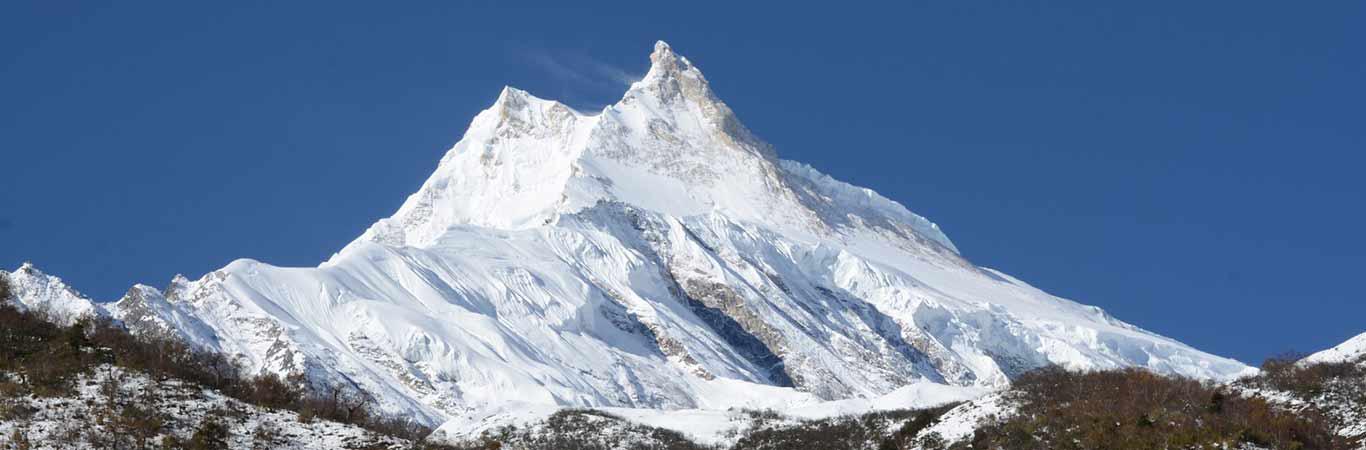
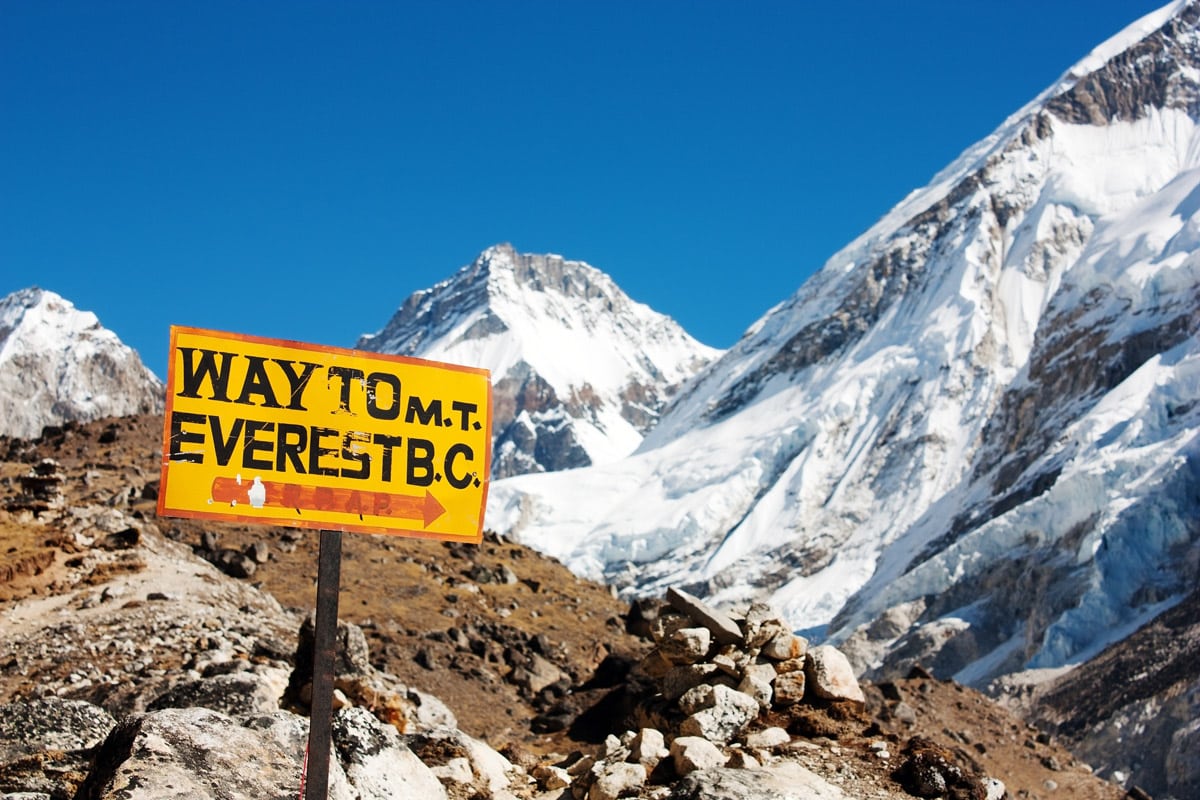
Pikey Peak Trek

  • Duration 6 Days
  • Destination Nepal
  • Trip Grade moderate
  • Starts at Kathmandu
  • Ends at Kathmandu
  • Meals Menu
  • Accommodation Tea houses
  • Max. Altitude 4064
  • Activity Trekking
  • Group Type All Type
  • Group Size 2 to 20
  • Best Season All
Highlights

Highlights of the Pikey Peak Trek

  • Spectacular Himalayan panoramas, including views of Mount Everest and other majestic peaks.
  • Enjoy a peaceful trekking experience on a less-crowded trail.
  • Witness Everest and surrounding Himalayan giants without trekking to extreme altitudes.
  • Discover diverse and beautiful landscapes, from rolling hills to alpine ridges.
  • Walk through vibrant rhododendron forests, especially stunning during the spring season.
  • Explore the rich culture, traditions, and lifestyle of the Solu region.
  • Experience breathtaking sunrise and sunset views from Pikey Peak.
  • Visit traditional Sherpa villages and ancient Buddhist monasteries along the route.

Pikey Peak Trek Overview

Pikey Peak Trek

The Pikey Peak Trek is a less crowded yet steadily growing trekking destination in Nepal, renowned for its spectacular mountain views, beautiful landscapes, and rich rhododendron and pine forests. Located at a lower altitude, this trek is ideal for trekkers who want breathtaking Himalayan scenery without extreme elevation challenges.

This trek offers a stunning viewpoint of Mount Everest from the summit of Pikey Peak, which is why it is often called the “Lower Everest Viewpoint.” During the 6-day trek, you will walk through dense rhododendron forests, wide pine trees, traditional Sherpa villages, and peaceful trails where wildlife can occasionally be spotted.

From the top of Pikey Peak (4,065 m), trekkers are rewarded with a panoramic view of majestic mountains such as Mt. Everest, Gaurishankar, Numbur Himal, and several other Himalayan peaks. The trek is newly promoted and lies within the Gaurishankar Conservation Area, making it a perfect choice for nature lovers and photographers.

The journey begins with a scenic drive from Kathmandu to Dhap, followed by a gradual ascent over four days to the highest point. Despite reaching over 4,000 meters, altitude-related difficulties are minimal, making this trek suitable for beginners with good fitness.

Standing at Pikey Peak, you can witness a memorable glimpse of Mount Everest, honoring the legendary mountaineers Sir Edmund Hillary and Tenzing Norgay Sherpa, along with many other historic expedition pioneers. This peaceful trek offers an unforgettable Himalayan experience away from the busy Everest trails.

Day to Day Itinerary
Expand all

The first day of pikey peak trek the team will drive from Kathmandu to Dhap (2850m) in a sharing jeep with local people. From Kathmandu to Dhap it will take around  7 to 8 hours approximately covering 230 km.

Our team guides, porters and accompanying staff are locals with a broad knowledge about each and every location that we travel through.

Cost Includes

Include

  • Airport transfers in Kathmandu (arrival and departure)
  • Domestic flights: including airport taxes (depending in itinerary)
  • All ground transportation as per itinerary
  • Accommodation during the trek in local tea houses
  • Meals during the trek – breakfast, lunch, and dinner (one item per meal)
  • Experienced, licensed, and English-speaking trekking guide
  • One local porter for every two trekkers (weight limit applies)
  • Guide and porter salary, meals, accommodation, insurance, and equipment
  • All needed permits and TIMS card
  • First-aid medical kit (carried by the guide) rip briefing before departure
  • Government taxes and service charges
  • Oximeter to measure oxygen

Cost Excludes

Exclude

  • International airfare to and from Nepal
  • Nepal visa fee
  • Accommodation and meals in Kathmandu
  • Travel and rescue insurance (mandatory for high-altitude trekking)
  • Personal trekking equipment and gear
  • Drinks (hot, cold, and alcoholic beverages)
  • Personal expenses such as laundry, hot showers, Wi-Fi, charging electronic devices, etc.
  • Snacks, chocolates, and bottled water during the trek
  • Tips for guide and porters
  • Costs arising from itinerary changes due to weather, flight delays, or unforeseen circumstances
  • Emergency evacuation costs (unless covered by insurance)
Departure Dates

Equipment List

Equipment For Pikey Peak Trek

1. Headlamp

A headlamp is essential for early morning sunrise hikes and walking at night. Make sure to carry extra batteries if needed.

2. Sunscreen

Strong mountain sunlight can cause sunburn, even on cloudy days. A high-SPF sunscreen is highly recommended.

3. Trekking Boots

Good-quality trekking boots provide comfort, support, and protection on uneven trails, making your trek safer and more enjoyable.

4. Trekking Poles

Trekking poles help reduce strain on your knees and provide extra stability, especially on steep ascents and descents.

5. Water Bottles or Hydration Bladder

Staying hydrated is crucial during trekking. Carry at least two water bottles or a hydration bladder that can be refilled throughout the day.

6. Personal Medications

Bring your personal medications and a basic first-aid kit. Recommended items include pain relievers, medicine for altitude sickness (AMS), digestive issues, and any medications prescribed by your doctor.

7. Windproof and Waterproof Jacket

A lightweight windproof and waterproof jacket helps protect against wind, rain, and changing mountain weather conditions.

8. Down Jacket

Temperatures can drop significantly during mornings, evenings, and at higher elevations. A warm down jacket is highly recommended.

9. Sun Hat and Woolen Hat

A sun hat protects you from strong daytime sunlight, while a woolen hat helps keep you warm during cold mornings and nights.

10. Thermal Base Layers

Thermal shirts and pants provide essential warmth and comfort during cold nights and high-altitude trekking.

11. Trekking Socks

Carry several pairs of quality trekking socks to keep your feet warm, dry, and comfortable throughout the journey.

12. Slippers or Sandals

A pair of lightweight slippers or sandals is useful for relaxing your feet after reaching the teahouse each day.

13. Sunglasses

UV-protected sunglasses are important for protecting your eyes from strong sunlight and snow reflection at higher elevations.

14. Microspikes

Microspikes provide extra grip on icy or snowy sections of the trail and can be very helpful during winter or early spring treks.

15. Gloves

Warm gloves help protect your hands from cold temperatures, wind, and frost during high-altitude trekking.

16. Sleeping Bag

Most teahouses provide blankets, but they may not be sufficient during cold nights. A quality sleeping bag is strongly recommended for added warmth and comfort.

You May Also LikeSimilar Itineraries
Pikey Peak Trek
Pikey Peak Trek
Difficulty: moderate 6 Days
Max. Height: 4064

US $450

Makalu Base Camp Trek
Difficulty: Moderate 22 Days
Max. Height: 4870 m

US $2,900

Manaslu Circuit Trek
Difficulty: Moderate 15 Days
Max. Height: 4500 M

US $$1,475

Everest Base Camp Trek
Difficulty: Moderate 15 Days
Max. Height: 5545 m

US $1499

Annapurna Circuit Trek
Difficulty: Hard 20 Days
Max. Height: 5,416 metres

US $$1,460

Annapurna Base Camp Trek
Difficulty: Medium 14 Days
Max. Height: 4,130 metres

US $1,050