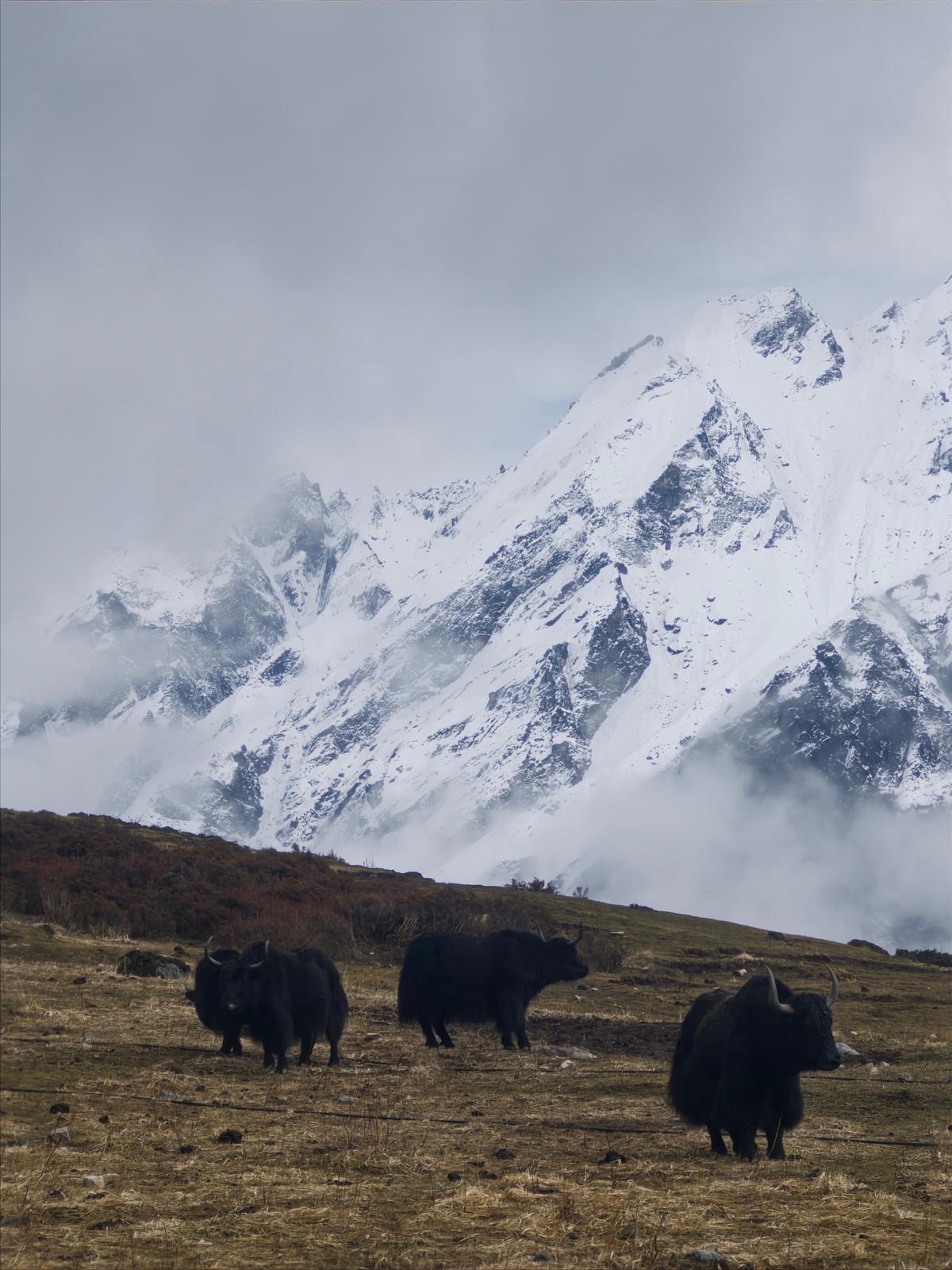
Everest Base Camp Trek: Complete Guide 2026/2027

The Everest Base Camp Trek is one of the most popular and iconic trekking adventures in the world. The trek takes you deep into the legendary Everest region, where you can experience spectacular Himalayan landscapes, Sherpa culture, ancient monasteries, and breathtaking views of Mount Everest.
Mount Everest, the world’s highest mountain, stands at 8,848.86 meters (29,031.7 feet) above sea level. The mountain is known as Sagarmatha in Nepal and Chomolungma in Tibetan.
Mount Everest was first successfully climbed on May 29, 1953, by Sir Edmund Hillary of New Zealand and Tenzing Norgay Sherpa of Nepal. Their historic achievement made the Everest region famous throughout the world. May 29 is now celebrated as International Everest Day in Nepal.
The Everest Base Camp in Nepal is situated at approximately 5,364 meters (17,598 feet) above sea level. From here, trekkers can experience spectacular views of the Everest region and the surrounding Himalayan ranges, including the Mahalangur Himal.
Location of Everest Base Camp
Everest Base Camp is located in Solukhumbu District of Koshi Province, Nepal, in the eastern part of the country. The popular trekking route leads to the South Everest Base Camp, located on the Nepalese side of Mount Everest.
There is also a North Everest Base Camp in Tibet, but the trekking experience, route, permits, and access are different from the Nepal side.
The Nepal-side Everest Base Camp lies in the Khumbu region, where trekkers enter Sagarmatha National Park and travel through the local communities of the Khumbu area.
During the trek, you will pass through famous Sherpa settlements such as Lukla, Phakding, Namche Bazaar, Tengboche, Dingboche, Lobuche, and Gorakshep before reaching Everest Base Camp.
Starting Point of the Everest Base Camp Trek
Traditionally, most trekkers begin the Everest Base Camp Trek from Lukla, which is situated at approximately 2,860 meters above sea level.
The most common way to reach Lukla is by air from Kathmandu or, depending on current flight operations, from another designated airport in Nepal. The flight to Lukla provides spectacular views of the Himalayan landscape and takes you directly into the Everest region.
Another option is to travel by road toward the lower Everest region and begin trekking from an alternative starting point such as Surke. This option can be useful for travelers who prefer to reduce or avoid the Lukla flight, although it adds additional trekking days.
The exact starting point can depend on the season, transportation conditions, flight operations, and the itinerary selected.
Everest Base Camp Trek Cost
The cost of the Everest Base Camp Trek varies depending on the trekking package, number of trekking days, transportation, accommodation, guide and porter services, and whether you choose a private or group trek.
For an individually organized or standard guided Everest Base Camp Trek, travelers should generally budget around USD 1,500–2,000 per person, depending on what is included in the package.
The cost may include:
- Kathmandu–Lukla or alternative transportation
- Accommodation during the trek
- Meals during the trekking period
- Licensed trekking guide
- Porter service, if selected
- Sagarmatha National Park permit
- Local permits
- Trekking equipment depending on the package
- Airport or ground transportation where applicable
Extra Expenses During the Trek
Trekkers should carry sufficient Nepalese cash because card and digital payment facilities may not be available everywhere in the higher Everest region.
You should also prepare for additional expenses such as:
| Extra expense | Approximate cost |
|---|---|
| Hot shower | USD 4–8 |
| Battery/device charging | USD 5–12 |
| Hot water or tea | USD 3–5 per cup |
| Local/monastery visiting fees | USD 3–5 per person |
Prices can vary depending on the location, season, and available services.
It is always a good idea to keep some extra cash for emergencies and unexpected expenses.
How Difficult Is the Everest Base Camp Trek?
The Everest Base Camp Trek is generally considered a moderate to challenging high-altitude trek. You do not need technical mountaineering skills to reach Everest Base Camp, but you should be physically prepared for long days of walking at high altitude.
The main challenges include:
- High altitude
- Thin air and reduced oxygen
- Long walking days
- Cold temperatures
- Rocky and uneven trails
- Steep uphill and downhill sections
- Changing mountain weather
- Possible symptoms of altitude sickness
Trekkers may walk approximately 6–7 hours per day, although the distance and walking time vary depending on the itinerary and altitude.
With a porter carrying your main luggage, you normally need to carry only a small daypack containing essential items such as water, snacks, a jacket, camera, sunscreen, and personal belongings.
Altitude and Acclimatization
Altitude is one of the most important factors on the Everest Base Camp Trek.
The trek reaches 5,364 meters at Everest Base Camp, while Kala Patthar reaches approximately 5,550 meters, making it the highest point on many standard EBC itineraries.
Because of the increasing altitude, proper acclimatization is extremely important. A well-designed itinerary should include acclimatization days, particularly around Namche Bazaar and Dingboche, allowing your body time to adjust to the elevation.
Do not ignore symptoms of altitude sickness. If symptoms become serious or worsen, descending to a lower elevation is the safest response.
Last Overnight Stop on the Everest Base Camp Trek
Gorakshep, at approximately 5,164 meters, is generally the highest overnight settlement on the standard Everest Base Camp Trek.
From Gorakshep, trekkers normally make a day trip to Everest Base Camp, which is around 5,364 meters, and then return to Gorakshep for the night.
Many trekkers also wake early the following morning to hike to Kala Patthar, which reaches approximately 5,550 meters. Kala Patthar is famous for its panoramic views of Mount Everest and the surrounding Himalayan peaks.
At this altitude, the air is considerably thinner than at lower elevations. You may experience difficulty sleeping, reduced appetite, headaches, shortness of breath, or general tiredness.
Don’t panic if you find sleeping difficult at high altitude. Stay calm, keep yourself warm, drink sufficient fluids, and follow your guide’s advice.
Temperatures can fall significantly below freezing, particularly during the night and early morning. Therefore, carrying suitable warm clothing and proper trekking equipment is essential.
Why Choose the Everest Base Camp Trek?
The Everest Base Camp Trek is much more than simply reaching the base of the world’s highest mountain. The journey allows you to experience the unique combination of Himalayan scenery, Sherpa culture, Buddhist traditions, and legendary mountain history.
Some major highlights include:
- Spectacular views of Mount Everest
- Namche Bazaar, the gateway to Everest
- Sagarmatha National Park
- Tengboche Monastery
- Sherpa villages and culture
- Ama Dablam, Lhotse, Nuptse and other Himalayan peaks
- Everest Base Camp at 5,364 meters
- Sunrise from Kala Patthar
- Khumbu Glacier and surrounding landscapes
- Traditional mountain teahouses
- Meeting local Sherpa communities
Everest Base Camp Trek at a Glance
| Feature | Details |
|---|---|
| Destination | Everest Base Camp |
| Country | Nepal |
| Region | Khumbu, Everest Region |
| Everest Base Camp altitude | 5,364 m |
| Kala Patthar altitude | Approx. 5,550 m |
| Typical starting point | Lukla |
| Difficulty | Moderate to challenging |
| Trek duration | Usually 12–16 days, depending on itinerary |
| Best seasons | Spring and autumn |
| Accommodation | Teahouses/lodges |
| Highest overnight stop | Gorakshep |
| Main attraction | Mount Everest and Himalayan scenery |
Final Thoughts
The Everest Base Camp Trek 2026/2027 is an unforgettable Himalayan adventure for trekkers who want to experience the world’s highest mountain and the unique culture of the Khumbu region.
Although the trek is challenging because of altitude, weather, and long walking days, proper preparation, gradual acclimatization, appropriate trekking equipment, and an experienced guide can make the journey safer and more enjoyable.
From the exciting journey into the Everest region to the colorful streets of Namche Bazaar, peaceful Tengboche Monastery, spectacular Himalayan views, and finally the legendary Everest Base Camp, every part of the trek offers a memorable experience.
If you are planning to trek to Everest Base Camp in 2026 or 2027, choosing an itinerary with sufficient acclimatization and preparing properly for high-altitude conditions will be essential for a successful journey.
Recent Post
- Everest Base Camp Trek Cost: Complete Guide
- Everest Base Camp Trek: Complete Guide 2026/2027
- Short Treks in Nepal
 Have Questions?