12 Days Everest Base Camp Trek

  • Duration 12 Days
  • Destination Nepal
  • Trip Grade moderate
  • Starts at Kathmandu
  • Ends at Kathmandu
  • Meals Menu
  • Accommodation Tea houses
  • Max. Altitude 5550
  • Activity Trekking
  • Group Type All Type
  • Group Size 2 to 20
  • Best Season All

Highlights of the 12 Days Everest Base Camp Trek

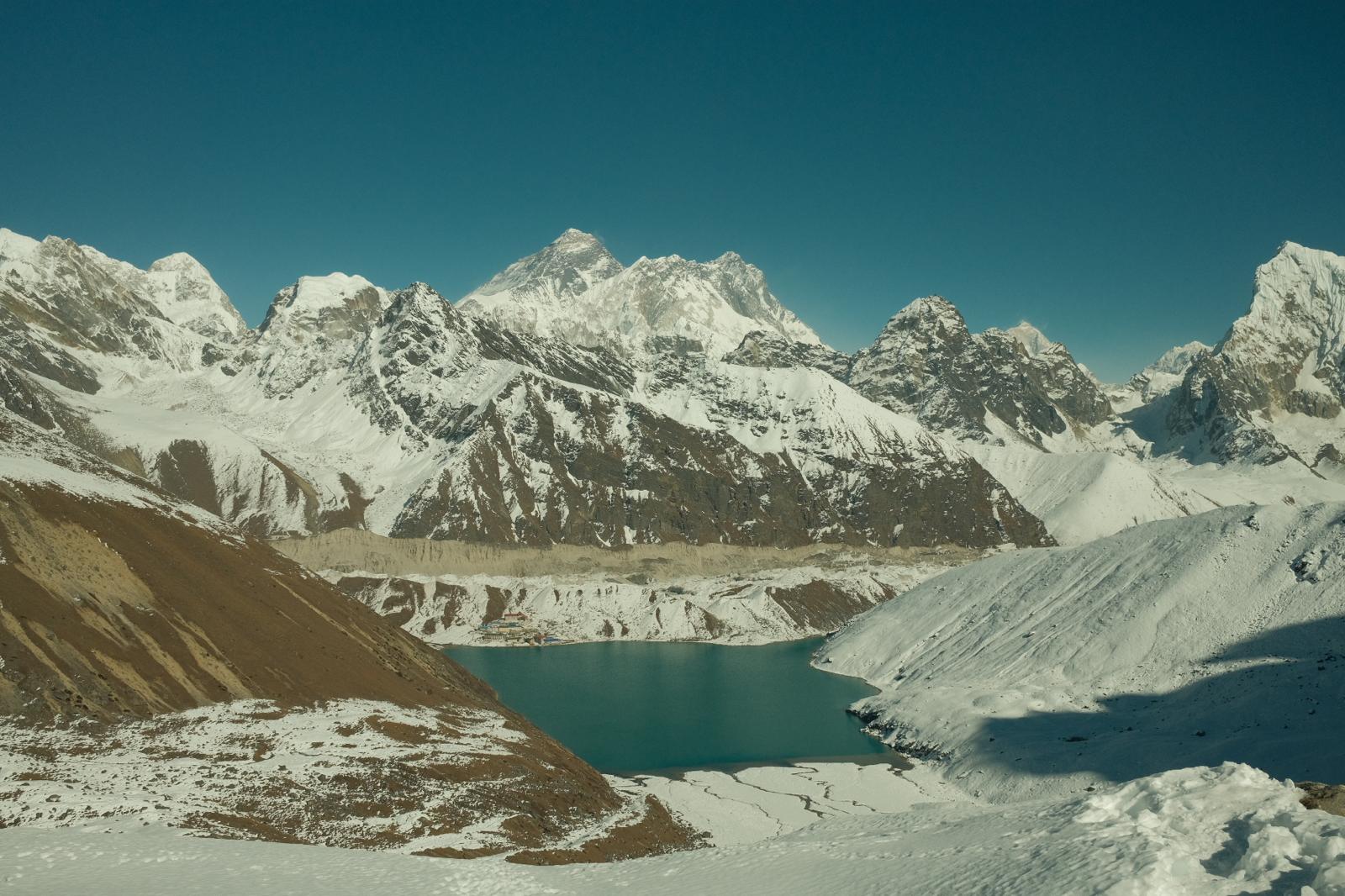
  • Witness breathtaking panoramic views of the Himalayan giants, including Mount Everest, Lhotse, Nuptse, Ama Dablam, Makalu, Cho Oyu, and many more.
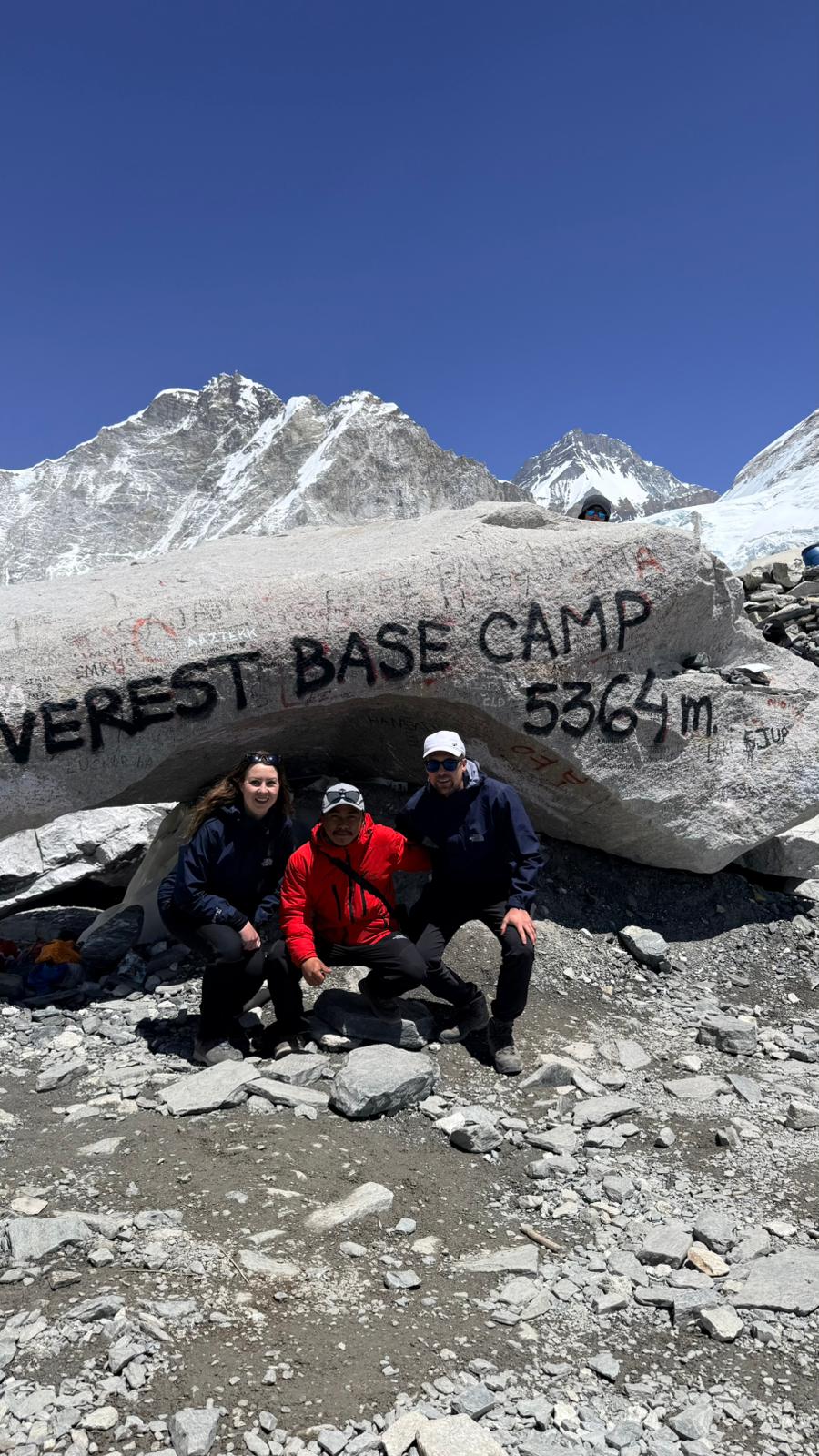
  • Reach Everest Base Camp (5,364 m), the starting point for climbers attempting to summit the world’s highest mountain.
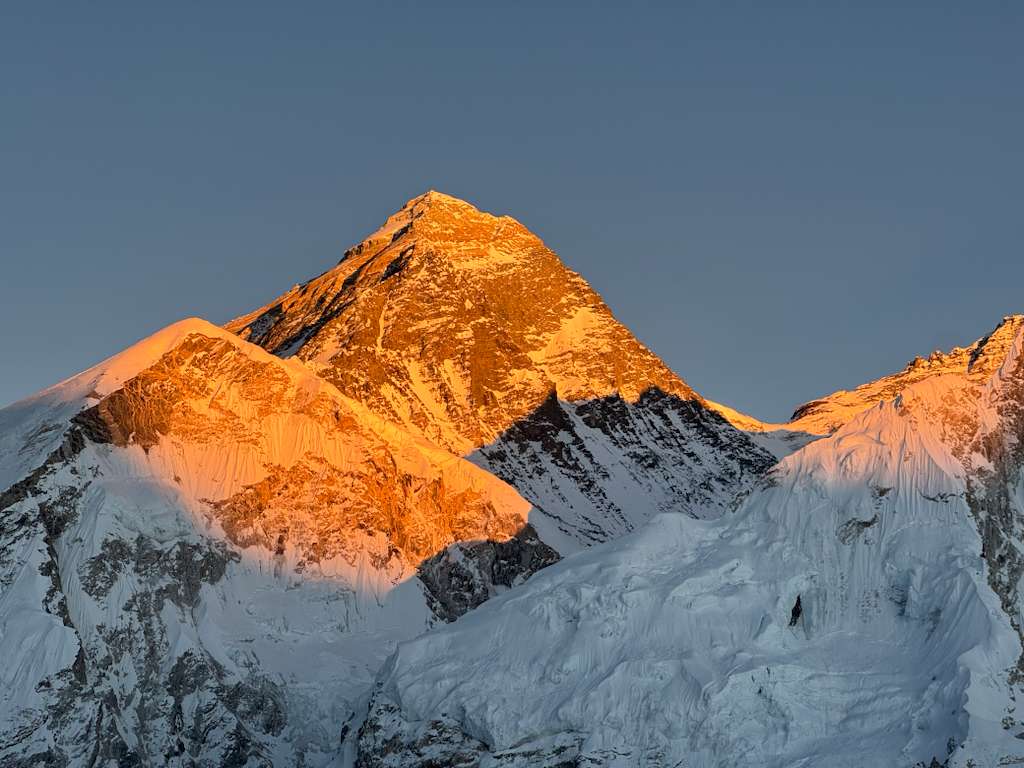
  • Hike to Kala Patthar (5,545 m) for the closest and most spectacular sunrise and sunset views of Mount Everest.
  • Experience the thrilling scenic flight to and from Lukla, one of the world’s most exciting mountain airports.
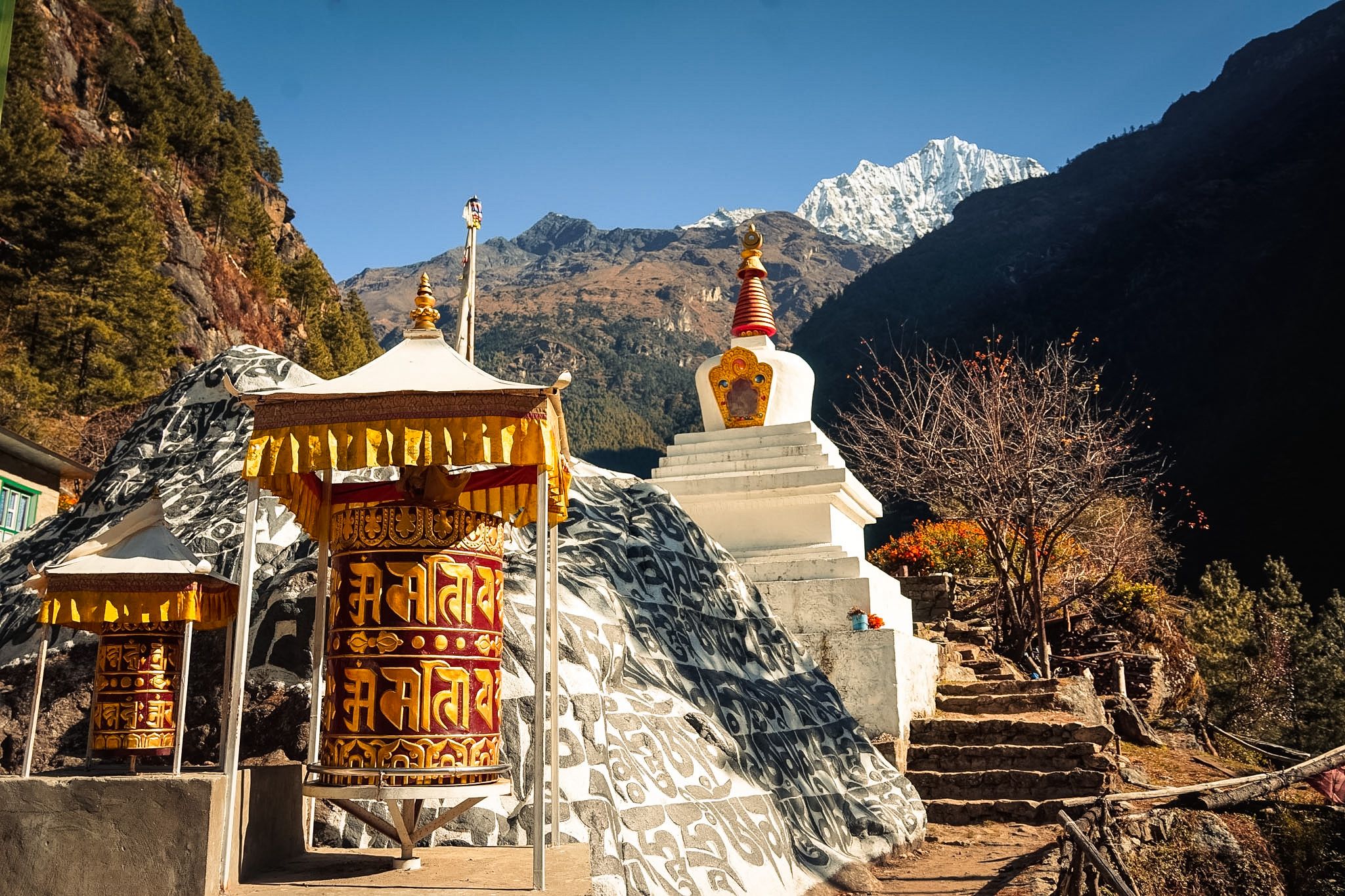
  • Immerse yourself in the unique Sherpa culture by visiting traditional villages, ancient monasteries, and Buddhist landmarks.
  • Cross iconic suspension bridges decorated with colorful prayer flags while trekking through the beautiful Khumbu Valley.
  • Explore the stunning landscapes of Sagarmatha National Park, a UNESCO World Heritage Site rich in wildlife and alpine scenery.
  • Walk alongside the magnificent Khumbu Glacier and witness the impressive Khumbu Icefall up close.
  • Challenge yourself physically while enjoying an unforgettable adventure that is both mentally and spiritually rewarding.
  • Follow the historic trail used by Sir Edmund Hillary and Tenzing Norgay Sherpa during their legendary 1953 Everest expedition.

12 Days Everest Base Camp Trek

The 12 Days Everest Base Camp Trek is one of Nepal’s most iconic trekking adventures, taking you to the foot of Mount Everest, the world’s highest mountain at 8,848.86 meters (29,031.7 ft). Located within Sagarmatha National Park in eastern Nepal, Mount Everest is known as Sagarmatha in Nepali and Chomolungma in Tibetan.

The trek leads to Everest Base Camp at an altitude of 5,364 meters, following the legendary trail used by mountaineers attempting to summit Everest. Along the journey, you’ll experience breathtaking Himalayan scenery, traditional Sherpa villages, ancient Buddhist monasteries, suspension bridges, glacial rivers, and diverse landscapes that make this one of the world’s most rewarding trekking routes.

One of the biggest highlights of the trek is the spectacular panorama of some of the highest mountains on Earth, including Mount Everest (8,848.86 m), Lhotse (8,516 m), Makalu (8,485 m), Cho Oyu (8,188 m), Nuptse (7,861 m), Pumori (7,161 m), Ama Dablam (6,812 m), and Island Peak (6,189 m).

Besides the mountain views, the trek offers an unforgettable cultural experience. You’ll visit traditional Sherpa settlements such as Namche Bazaar, Tengboche, and Dingboche, where you can learn about Sherpa hospitality, Buddhist traditions, colorful prayer flags, and centuries-old monasteries.

The route also follows the historic path taken by Sir Edmund Hillary and Tenzing Norgay during their successful first ascent of Mount Everest in 1953. Walking the same trail adds a unique historical connection to your adventure.

Whether you’re an experienced trekker or a first-time visitor to the Himalayas with good physical fitness, the 12 Days Everest Base Camp Trek offers an unforgettable combination of adventure, spectacular mountain scenery, rich Sherpa culture, and the once-in-a-lifetime opportunity to stand beneath the world’s highest peak.

12 Days Everest Base Camp Trek Difficulty

The 12 Days Everest Base Camp Trek is considered a moderate-level trek, suitable for trekkers with a reasonable level of fitness and preparation. Although no technical climbing skills are required, the trek involves long walking days, steep ascents and descents, and high-altitude conditions that make it physically and mentally demanding.

During the trek, you will typically walk 5 to 7 hours per day across varied terrain, including uphill climbs, rocky paths, suspension bridges, and glacier sections. The highest point of the trek is Everest Base Camp (5,364 m) and Kala Patthar (5,550 m), where altitude becomes the main challenge.

Proper acclimatization is essential to complete the trek safely. Rest days in places like Namche Bazaar and Dingboche help your body adjust to the decreasing oxygen levels and reduce the risk of altitude sickness.

The trail is also part of a busy trekking route within the Khumbu region, so trekkers should be careful while sharing the path with porters, yaks, and fellow hikers, especially on narrow sections and suspension bridges.

With good preparation, steady pacing, and proper guidance, the trek is achievable for most fit trekkers and offers one of the most rewarding adventure experiences in the Himalayas.

12 Days Everest Base Camp Trek Cost

The 12 Days Everest Base Camp Trek generally costs between USD 1,400 to 1,500 per person, depending on the services included, group size, and trekking season. This cost usually covers a professional licensed guide, experienced porters, accommodation during the trek, and standard meals throughout the journey.

Most trekking packages include essential logistics such as permits, guide and porter wages, and basic trekking support. However, personal expenses like drinks, snacks, hot showers, charging electronic devices, and extra beverages are not always included.

During the trek, trekkers should carry extra cash for daily personal spending. For example, bottled water costs around USD 1 in lower elevations and can go up to USD 4 in higher altitudes due to transportation difficulty. Hot drinks such as tea and coffee are also more expensive at higher elevations.

It is highly recommended to budget additional money for comfort items and emergencies, as prices increase significantly as you ascend toward Everest Base Camp and Kala Patthar.

With proper planning, the Everest Base Camp Trek cost remains affordable compared to many other high-altitude trekking adventures, making it one of the most popular trekking packages in Nepal.

12 Days Everest Base Camp Trek Permits

To complete the 12 Days Everest Base Camp Trek, trekkers are required to obtain two main permits. These permits are mandatory and are checked at various entry points along the trekking route in the Everest region.

1. Sagarmatha National Park Entry Permit

  • Cost: USD 30 per person
  • This permit is required to enter Sagarmatha National Park, a UNESCO World Heritage Site that covers the Everest region. It helps support conservation efforts, wildlife protection, and maintenance of the trekking trails.

2. Khumbu Pasang Lhamu Rural Municipality Permit

  • Cost: USD 30 per person
  • This local permit is required by the Khumbu region authorities to regulate tourism and support local community development in areas such as Namche Bazaar, Tengboche, and Dingboche.

Best Seasons for 12 Days Everest Base Camp Trek

The best time for the 12 Days Everest Base Camp Trek is during stable weather conditions with clear mountain views.

Spring (March to May)

Spring is one of the best seasons with mild weather, clear skies, and blooming rhododendrons. It offers great views of Mount Everest and surrounding peaks.

Autumn (September to November)

Autumn is considered the best season for the trek due to crystal-clear skies, stable weather, and excellent visibility after the monsoon.

Winter & Monsoon

Winter (December to February) is very cold, while monsoon (June to August) has rain and poor visibility, so both are less recommended.

Best choice: Spring and Autumn for the safest and clearest trekking experience.

Day to Day Itinerary
Expand all

Your adventure begins with an early morning scenic flight from Kathmandu to Lukla (2,840 m), home to the famous Tenzing-Hillary Airport. After meeting your trekking crew, begin your trek through beautiful Sherpa villages and lush forests to Phakding (2,610 m). The walk is easy and follows the Dudh Koshi River.

Walking Distance: 7.5–8 km
Walking Duration: 3–4 hours

After breakfast, continue along the Dudh Koshi River, crossing several suspension bridges, including the famous Tenzing-Hillary Bridge. Enter Sagarmatha National Park before making the final uphill climb to Namche Bazaar. If the weather is clear, you may catch your first glimpse of Mount Everest. Along the trail, enjoy views of Thamserku, Kangtega, Kongde Ri, and Khumbila.

Walking Distance: 10.5–11 km
Walking Duration: 6–7 hours

To help your body adjust to the altitude, hike to the Everest View Hotel (3,880 m), one of the highest hotels in the world, for stunning views of Mount Everest, Ama Dablam, and Lhotse. If time permits, continue to Khumjung Village to visit the Hillary School, Hillary Hospital, and the famous Khumjung Monastery before returning to Namche Bazaar.

Today’s trail offers spectacular mountain scenery as you walk through rhododendron forests and descend to the Dudh Koshi River before climbing to Tengboche. Visit the famous Tengboche Monastery, the largest Buddhist monastery in the Everest region, and enjoy panoramic views of Everest, Lhotse, Ama Dablam, and Taboche.

Walking Distance: 10 km
Walking Duration: 5–6 hours

Descend through forests before crossing the Imja Khola and gradually ascend to Dingboche. As the vegetation becomes sparse, you’ll notice the changing alpine landscape. After reaching your lodge, a short walk above the village is recommended to aid acclimatization.

Walking Distance: 10 km
Walking Duration: 5–6 hours

Spend the day acclimatizing with a rewarding hike to Nangkartshang Peak. The climb offers breathtaking views of Makalu, Ama Dablam, Island Peak, Shartse, and many surrounding Himalayan peaks. Return to Dingboche for another overnight stay.

Walking Duration: 4–5 hours

Today’s trek takes you through Thukla Pass, where you’ll see memorials dedicated to climbers who lost their lives on Everest expeditions. Continue through alpine terrain with magnificent views of Taboche, Cholatse, Nuptse, Pumori, and surrounding glaciers before reaching Lobuche.

Walking Distance: 8–9 km
Walking Duration: 5–6 hours

Walk across rocky glacial terrain to Gorak Shep, the final settlement before Everest Base Camp. After lunch, continue to Everest Base Camp, where you’ll stand at the foot of the world’s highest mountain and witness the spectacular Khumbu Icefall. Return to Gorak Shep for the night.

Walking Duration: 7–8 hours (round trip)

Wake early to hike to Kala Patthar, the best viewpoint for sunrise over Mount Everest. After enjoying the unforgettable scenery, return to Gorak Shep for breakfast before descending through Lobuche and Thukla to Pheriche. The lower altitude makes the trek much easier.

Walking Duration: 7–8 hours

Retrace your steps through Pangboche, Tengboche, and beautiful forests before returning to Namche Bazaar. Celebrate your successful trek with a relaxing evening.

Walking Duration: 6–7 hours

Your final trekking day follows the Dudh Koshi River back to Lukla. In the evening, celebrate with your guide and porters and thank them for helping make your Everest adventure unforgettable.

Walking Distance: 13.5 km
Walking Duration: 7–8 hours

After breakfast, take a scenic morning flight back to Kathmandu. Upon arrival, our representative will transfer you to your hotel, marking the end of your unforgettable 12 Days Everest Base Camp Trek.

Our team guides, porters and accompanying staff are locals with a broad knowledge about each and every location that we travel through.

Cost Includes

  • Airport transfers in Kathmandu (arrival and departure)
  • Domestic flights: including airport taxes (depending in itinerary)
  • All ground transportation as per itinerary
  • Accommodation during the trek in local tea houses
  • Meals during the trek – breakfast, lunch, and dinner (one item per meal)
  • Experienced, licensed, and English-speaking trekking guide
  • One local porter for every two trekkers (weight limit applies)
  • Guide and porter salary, meals, accommodation, insurance, and equipment
  • All needed permits and TIMS card
  • First-aid medical kit (carried by the guide) rip briefing before departure
  • Government taxes and service charges
  • Oximeter to measure oxygen

Cost Excludes

  • International airfare to and from Nepal
  • Nepal visa fee
  • Accommodation and meals in Kathmandu or Pokhara
  • Travel and rescue insurance (mandatory for high-altitude trekking)
  • Personal trekking equipment and gear
  • Drinks (hot, cold, and alcoholic beverages)
  • Personal expenses such as laundry, hot showers, Wi-Fi, charging electronic devices, etc.
  • Snacks, chocolates, and bottled water during the trek
  • Tips for guide and porters
  • Costs arising from itinerary changes due to weather, flight delays, or unforeseen circumstances
  • Emergency evacuation costs (unless covered by insurance)
Departure Dates

Useful Info

Useful Information for 12 Days Everest Base Camp Trek

  • Proper acclimatization is essential to avoid altitude sickness during the trek.
  • Carry warm clothing, as temperatures are very cold in the mornings and nights.
  • Trekking poles are highly recommended for better balance and comfort.
  • Bring enough cash, as there are no ATMs on the upper trekking route.
  • It is strongly recommended to travel with a licensed guide for safety and navigation.
  • International trekkers should check Nepal visa requirements through the official Department of Immigration before arrival.
  • Respect local Sherpa culture, traditions, and monasteries along the trail.
  • Always keep your passport and necessary documents with you during the trek.
  • Travel insurance must cover high-altitude trekking (at least up to 6,000m) and emergency evacuation.
  • Keep extra buffer days in your itinerary in case of flight delays or weather disruptions in the Everest region.

Equipment List

Equipment list for 12 Days Everest Base Camp Trek

1. Headlamp

A headlamp is essential for early morning sunrise hikes and walking at night. Make sure to carry extra batteries if needed.

2. Sunscreen

Strong mountain sunlight can cause sunburn, even on cloudy days. A high-SPF sunscreen is highly recommended.

3. Trekking Boots

Good-quality trekking boots provide comfort, support, and protection on uneven trails, making your trek safer and more enjoyable.

4. Trekking Poles

Trekking poles help reduce strain on your knees and provide extra stability, especially on steep ascents and descents.

5. Water Bottles or Hydration Bladder

Staying hydrated is crucial during trekking. Carry at least two water bottles or a hydration bladder that can be refilled throughout the day.

6. Personal Medications

Bring your personal medications and a basic first-aid kit. Recommended items include pain relievers, medicine for altitude sickness (AMS), digestive issues, and any medications prescribed by your doctor.

7. Windproof and Waterproof Jacket

A lightweight windproof and waterproof jacket helps protect against wind, rain, and changing mountain weather conditions.

8. Down Jacket

Temperatures can drop significantly during mornings, evenings, and at higher elevations. A warm down jacket is highly recommended.

9. Sun Hat and Woolen Hat

A sun hat protects you from strong daytime sunlight, while a woolen hat helps keep you warm during cold mornings and nights.

10. Thermal Base Layers

Thermal shirts and pants provide essential warmth and comfort during cold nights and high-altitude trekking.

11. Trekking Socks

Carry several pairs of quality trekking socks to keep your feet warm, dry, and comfortable throughout the journey.

12. Slippers or Sandals

A pair of lightweight slippers or sandals is useful for relaxing your feet after reaching the teahouse each day.

13. Sunglasses

UV-protected sunglasses are important for protecting your eyes from strong sunlight and snow reflection at higher elevations.

14. Microspikes

Microspikes provide extra grip on icy or snowy sections of the trail and can be very helpful during winter or early spring treks.

15. Gloves

Warm gloves help protect your hands from cold temperatures, wind, and frost during high-altitude trekking.

16. Sleeping Bag]

Most teahouses provide blankets, but they may not be sufficient during cold nights. A quality sleeping bag is strongly recommended for added warmth and comfort.

Route Map

map

FAQs

Expand all
  • The trek is moderate in difficulty. It requires basic uphill and downhill walking ability, with daily walking of around 5 to 7 hours at high altitude. Proper acclimatization is essen

  • Yes, altitude sickness is a possible risk because the trek reaches up to 5,545 m (Kala Patthar). However, with proper acclimatization, a slow pace, and good hydration, it is manageable for most trekkers.

  • Yes, hiring a licensed guide is required/recommended for safety, navigation, and support in the Himalayas.


  • The highest point is Kala Patthar (5,545 m), and Everest Base Camp is 5,364 m above sea level.

  • The Everest Base Camp trek usually takes 12 to 15 days, depending on the itinerary and acclimatization days.

  • Yes, electricity and Wi-Fi are available in most villages. However, in higher regions, electricity is often solar-powered, and Wi-Fi may require payment for prepaid cards.

  • No prior trekking experience is required. Beginners can complete the trek with good fitness and preparation.


  • The best seasons are spring (March to May) and autumn (September to November) due to stable weather and clear mountain views.

  • It is recommended to carry around USD 15–20 per day for personal expenses such as drinks, hot showers, charging devices, and snacks.

You May Also LikeSimilar Itineraries
12 Days Everest Base Camp Trek
Difficulty: moderate 12 Days
Max. Height: 5550

US $1250

Pikey Peak Trek
Pikey Peak Trek
Difficulty: Easy-Moderate 6 Days
Max. Height: 4064

US $450